Share on Facebook
 Share on X
 Share by Email
 Share on Google Classroom
Benjamin Franklin Baltzly, photographer (born 5 April 1835 in Sugarcreek Township, OH; died 10 July 1883 in Cambridge, MA). Benjamin Baltzly was the Notman Studio photographer assigned to the 1871 Geological Survey of Canada’s expedition to the Rocky Mountains of British Columbia in preparation for the construction of the trans-Canada railway. Although his early life was marked by suspect behaviour, his engaging travel journal and letters to his wife reveal a deeply religious man with strong affection for his family. Despite formidable geographical and technical challenges, Baltzly produced a rich photographic archive of early British Columbia. (See also Photography in Canada.)
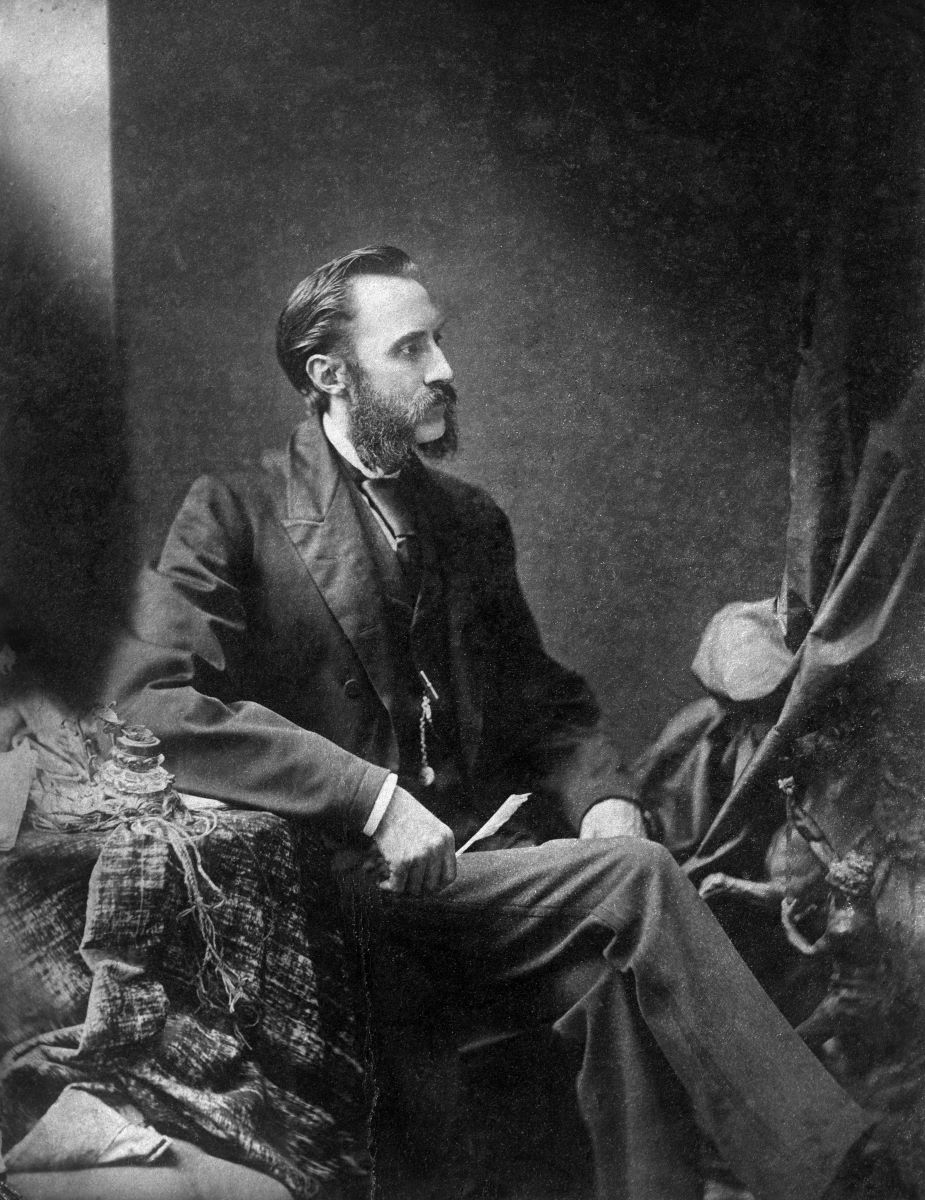
Early Life
Benjamin Baltzly was a third-generation American-born descendant of German-Swiss Peter Baltzli, who came to Pennsylvania in 1754. The family name was changed to Baltzly in the early 1800s. Benjamin Baltzly married Louisa Foos in 1856, and their daughter, Wilma Louisa, was born in 1860. He practised briefly in 1857 as a homeopathic physician in Cleveland before disappearing mysteriously for approximately two and a half years, during which time there were suspicions that he engaged in life insurance fraud. Baltzly resurfaced in 1860 as a photographer in Wooster, Ohio, where he eventually set up “Baltzly’s Palace of Art,” offering “[p]hotographs and [a]mbrotypes of any size, style and price ...”. It is uncertain where he learned his profession, but he began to win local medals for his work.
During the American Civil War, Baltzly served a 100-day term in 1864 as a second lieutenant in the 22nd Army Corps of the Union Army at Fort Ethan Allen in Arlington, Virgina. He saw action in defence of Washington, D.C. He then returned to his Wooster studio, but in March 1865 was caught red-handed in the attempted theft of an expensive camera lens from Cleveland photographer J.F. Ryder. Although a grand jury found insufficient cause to indict him, Baltzly was forced to sell his business and to relocate, this time to Canada.
Career in Canada
Benjamin Baltzly and his family likely settled in Montreal in mid-1866. His choice of city may have been influenced by earlier acquaintance with Montreal photographer Alfred Boisseau. (See also Photography in Canada.) Baltzly soon found work in the studio of J.G. Parks, and by 1868 was able to open his own studio, “Baltzly’s Photograph Rooms, 372 Notre Dame street.” A member of the Zion (Congregational) Church, Baltzly became active in the management of two benefit societies in Montreal. Misfortune struck in the early morning of 24 April 1870, when a fire destroyed Baltzly’s studio. Shortly after, he began his employment with William Notman, “Photographer to the Queen” and the favoured photographer of the city’s elite. (See also Queen Victoria.)
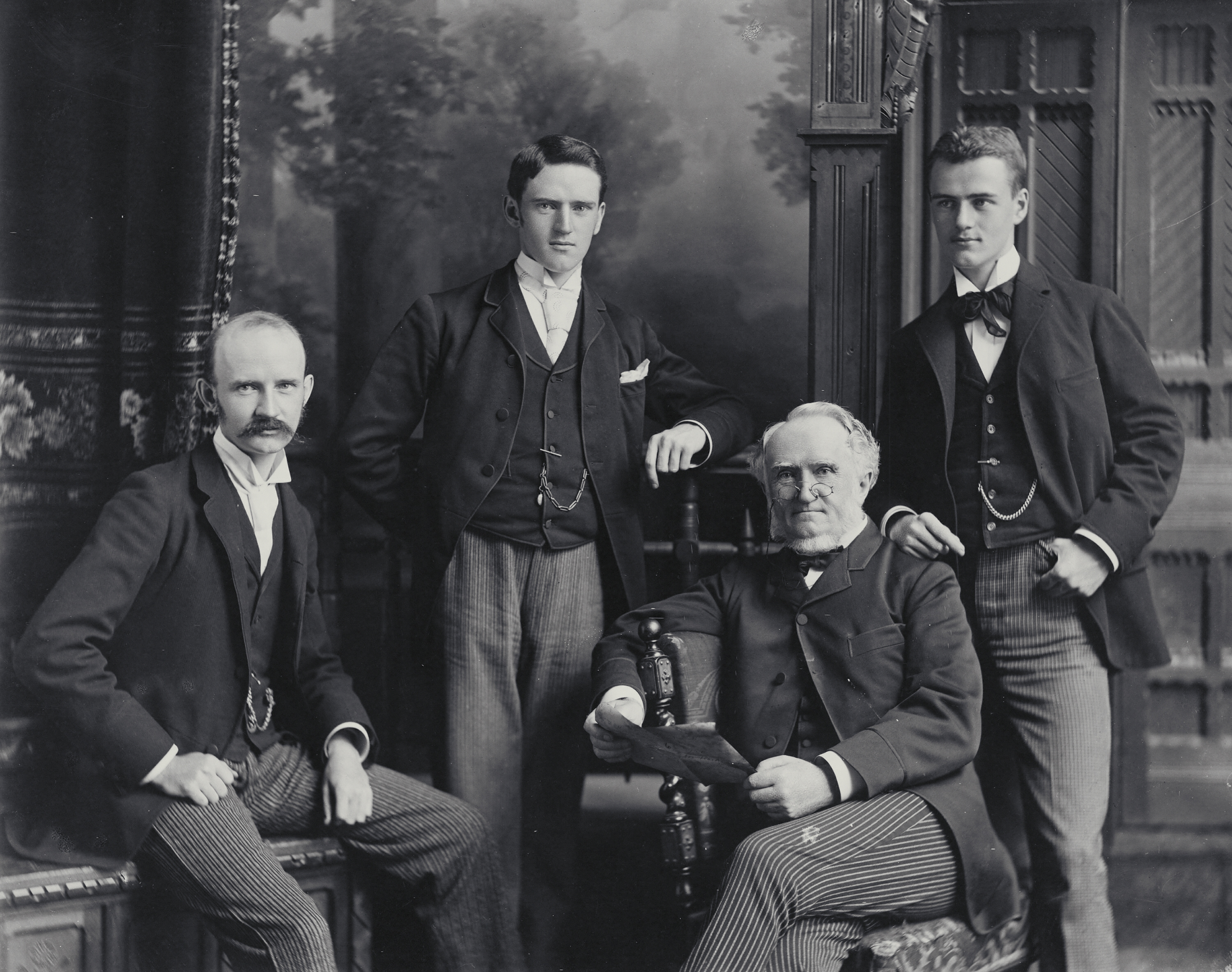
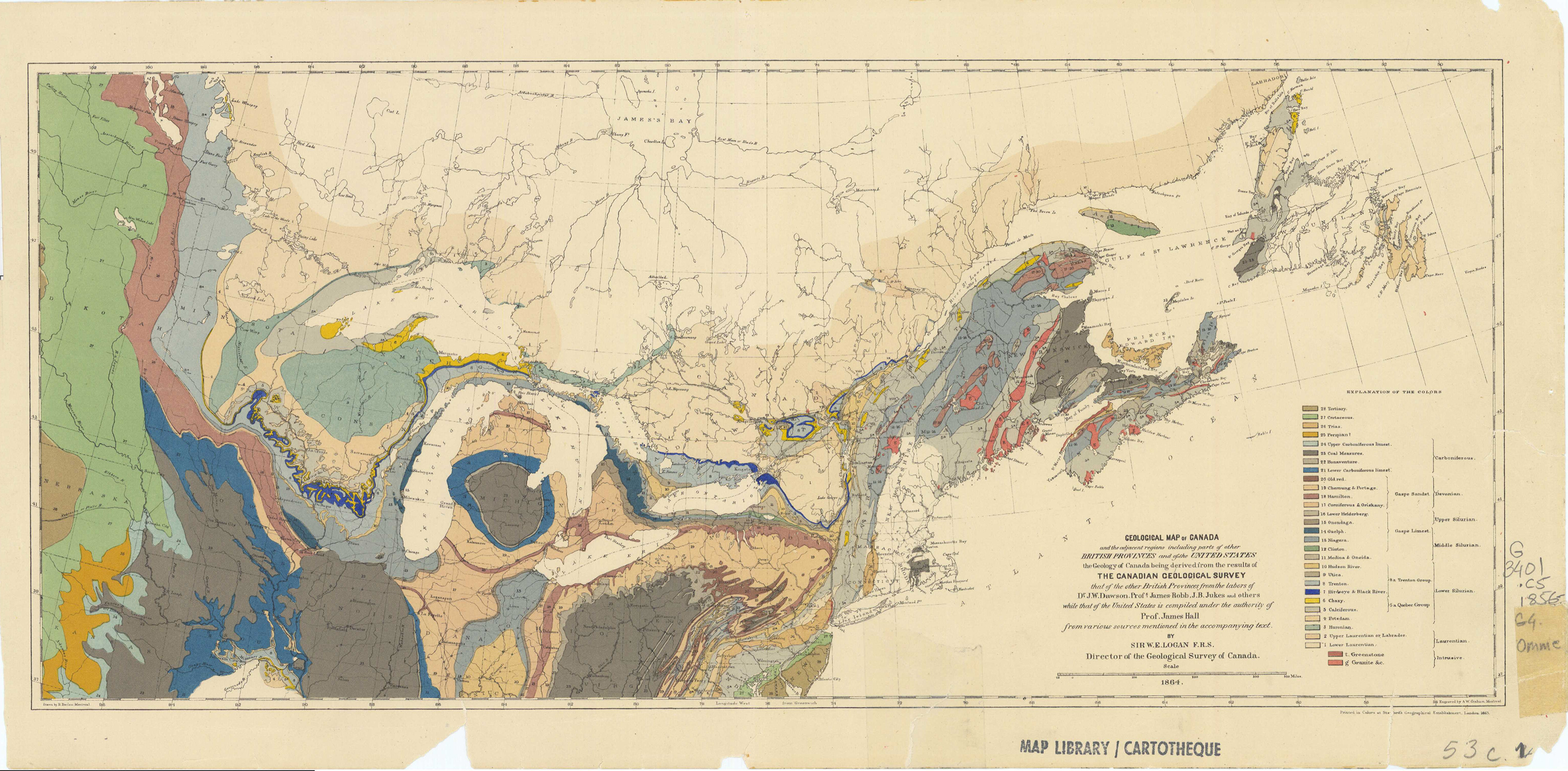
The colony of British Columbia’s decision to join Canada as the sixth province in 1871 would provide Baltzly with the project for which he is best remembered. (See also British Columbia and Confederation.) The Canadian government pushed for the urgent construction of a transcontinental railway linking British Columbia with the central provinces. Several railway survey teams were dispatched to the West Coast to determine the best route through the Canadian Rockies. The Geological Survey of Canada was authorized to assess the geological features and mineral deposits found by the railway surveyors and to arrange with William Notman for documentary photographic support. Notman chose Baltzly and an assistant, John Hammond, a colourist with Notman’s studio, for the expedition. On 26 June 1871, the director of the Geological Survey, Alfred R.C. Selwyn, geologist James Richardson, Baltzly and Hammond, accompanied by almost 500 pounds of photographic equipment, departed by rail from Montreal for Kamloops.
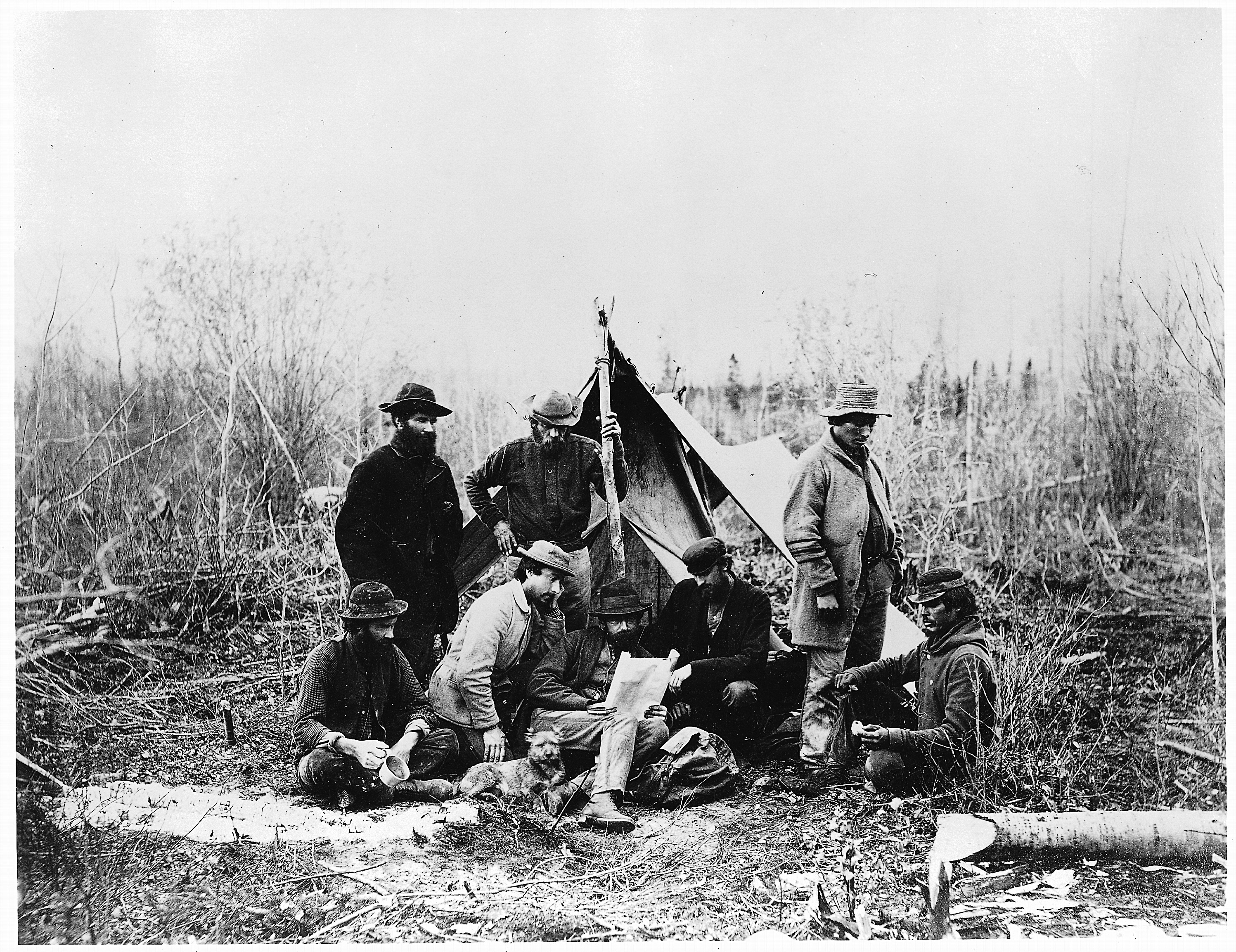
The six-week journey by train on the American transcontinental railway, as well as by steamboat, stagecoach, horseback and on foot brought the team to Kamloops in early August. Their goal was to travel up the North Thompson River valley into that of the upper Fraser River at Tête Jaune Cache, and to traverse the Leather (now the Yellowhead) Pass to Jasper House in present-day Alberta. By month’s end, having overtaken the railway surveyors, the party encountered steep ascents, boggy clearings, and thick forests littered with deep accumulations of fallen timber. In mid-October, with temperatures dropping, provisions dwindling, and their pack animals weakening, it became certain that there was no chance of reaching their destination that season. They were forced to turn back just short of the Leather Pass. The return journey brought them back to Montreal on 26 December 1871, where Baltzly’s second child, Edith Laura Mary, was born the next autumn.
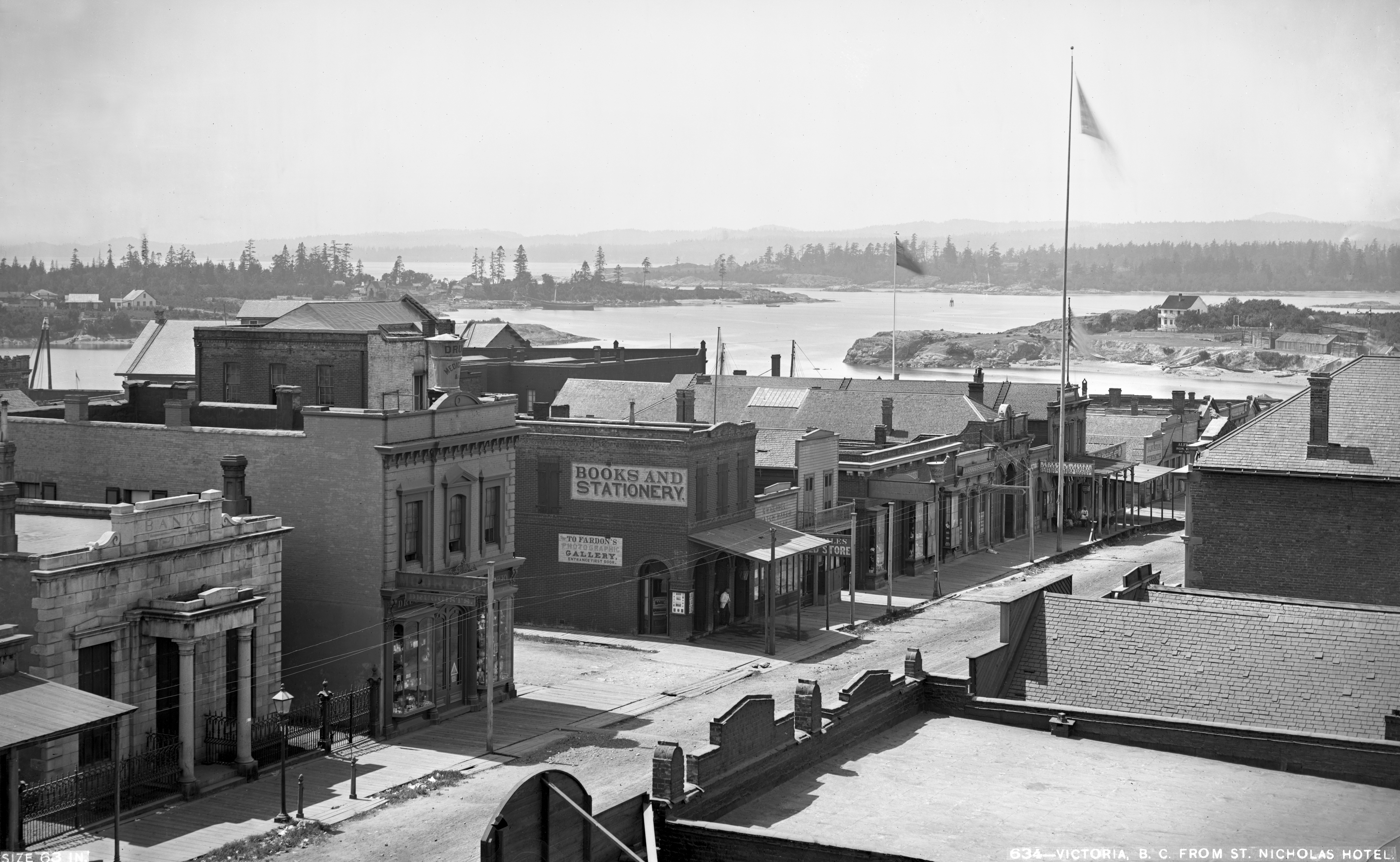
Baltzly had begun documenting the expedition while in Victoria, using the cumbersome wet collodion process, which allowed short exposure times but required a portable dark tent, chemicals and fresh water to prepare, fix and wash the heavy glass-plate negatives. His work was almost lost on the return trip when the canoe carrying the developed plates overturned on the treacherous Murchison’s Rapids; one First Nation’s guide, Abraham La Rue, was able to rescue the craft with its wet, but intact, contents. At the trip’s end Baltzly and Hammond delivered to Notman 125 negatives consisting of 37 8” x 10” and 88 stereoscopic views. Selwyn was pleased with the results, but they do not seem to have generated the sales that Notman might have anticipated. The largest grouping resides today in the Notman Photographic Archives of the McCord Stewart Museum, with smaller collections held by Library and Archives Canada, the Archives of Ontario and the Kamloops Museum and Archives. John Hammond was to become a noted Canadian painter.
Later Years
In his later career, 1872–83, Benjamin Baltzly became a proficient photographer for academic institutions, having first been assigned by William Notman to produce photos of students at Harvard University as well as photos of the school and city of Cambridge, Massachusetts. Baltzly subsequently moved to Cambridge and over the years became the photographer at several prestigious institutions, among them Vassar College, West Point Military Academy and Dartmouth College. During this time, he may have worked briefly at Notman’s Boston business before becoming the manager of the G.W. Pach studio. Baltzly opened his own Cambridge studio in January 1883 but died six months later from acute gastritis at the age of 48. He is interred with his wife in Montreal’s Mount Royal Cemetery (see Mount Royal).